Group Lore Lore do Grupo
🔴 Glitch Glitch
Digital glitches, game errors and corrupted data — unstable but extraordinarily powerful. Glitches digitais, erros do jogo e dados corrompidos — instáveis, mas poderosos.
The Story A História
Act III — The System Breaks Down Ato III — O Sistema Entra em Colapso
When the game eats itself and something extraordinary emerges Quando o jogo come a si mesmo e algo extraordinário emerge
The Glitch Joker is not malfunctioning. It is functioning exactly as intended. You were just not told what that intention was. O Curinga Glitch não está com defeito. Está funcionando exatamente como planejado. Só não te disseram qual era essa intenção.
The Glitch Jokers and the Anomaly Jokers arrived together, in the same corrupted packet of data, and it was immediately unclear which were glitches and which were anomalies. Eventually the Odyssey community decided: Glitches were intentional errors — bugs that had been left in because they were too powerful to remove. Anomalies were unintentional errors — things the game wasn't supposed to do but did anyway.
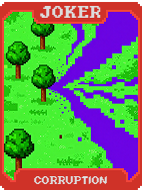
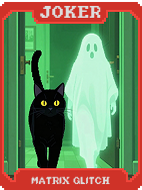
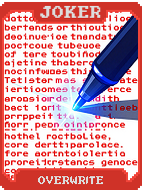
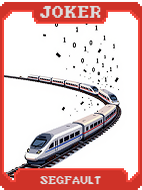
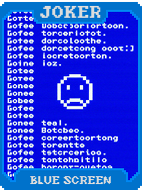
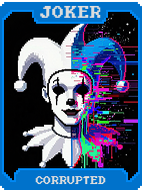
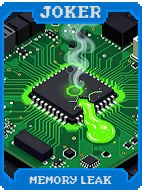
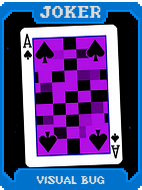
The Audio Glitch produced a strange sound and gave chips. The Visual Glitch caused the UI to shake when it triggered — a minor cosmetic wink at the player. But the Deep Corruption Glitch locked specific game systems into loops that, in the right build, generated endless chains of Mult.
The Anomaly Jokers were different in character: stranger, more personalized, as if they had opinions about how the game should be played. The Augmented Reality Anomaly prevented enchanted cards from breaking — a mercy that changed how entire deck-building philosophies worked. The Anomalous Echo retroactively changed what had already been triggered, as if it remembered a different version of the hand than the one everyone else saw.
Together, Glitch and Anomaly Jokers made a powerful argument: that the most interesting games are the ones that break their own rules, and that breaking rules is not destruction but evolution.
Os Curingas Glitch e os Curingas Anomalia chegaram juntos, no mesmo pacote corrompido de dados, e foi imediatamente impossível distinguir quais eram glitches e quais eram anomalias. Por fim, a comunidade da Odisseia decidiu: Glitches eram erros intencionais — bugs deixados porque eram poderosos demais para remover. Anomalias eram erros não intencionais — coisas que o jogo não deveria fazer, mas fez de qualquer jeito.
O Glitch de Áudio produzia um som estranho e dava chips. O Glitch Visual fazia a interface tremer quando acionado — um piscar de olhos cosmético para o jogador. Mas o Glitch de Corrupção Profunda travava sistemas de jogo específicos em loops que, na build certa, geravam cadeias intermináveis de Mult.
Os Curingas Anomalia eram diferentes em caráter: mais estranhos, mais personalizados, como se tivessem opiniões sobre como o jogo deveria ser jogado. A Anomalia de Realidade Aumentada impedia cartas encantadas de quebrar — uma misericórdia que mudou como filosofias inteiras de construção de baralho funcionavam. O Eco Anômalo retroativamente mudava o que já havia sido acionado, como se lembrasse uma versão diferente da mão do que a que todo mundo havia visto.
Juntos, os Curingas Glitch e Anomalia fizeram um argumento poderoso: que os jogos mais interessantes são aqueles que quebram suas próprias regras, e que quebrar regras não é destruição, mas evolução.
Cards in this group Cartas neste grupo
26 Glitch Jokers Curingas Glitch